

Drop-out Fuse Cutout Components
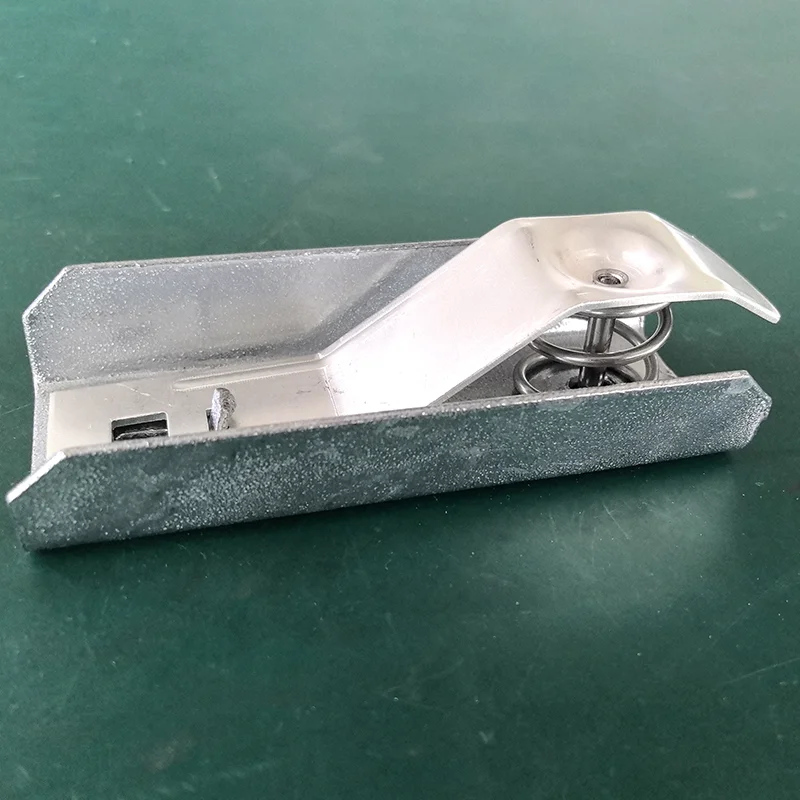
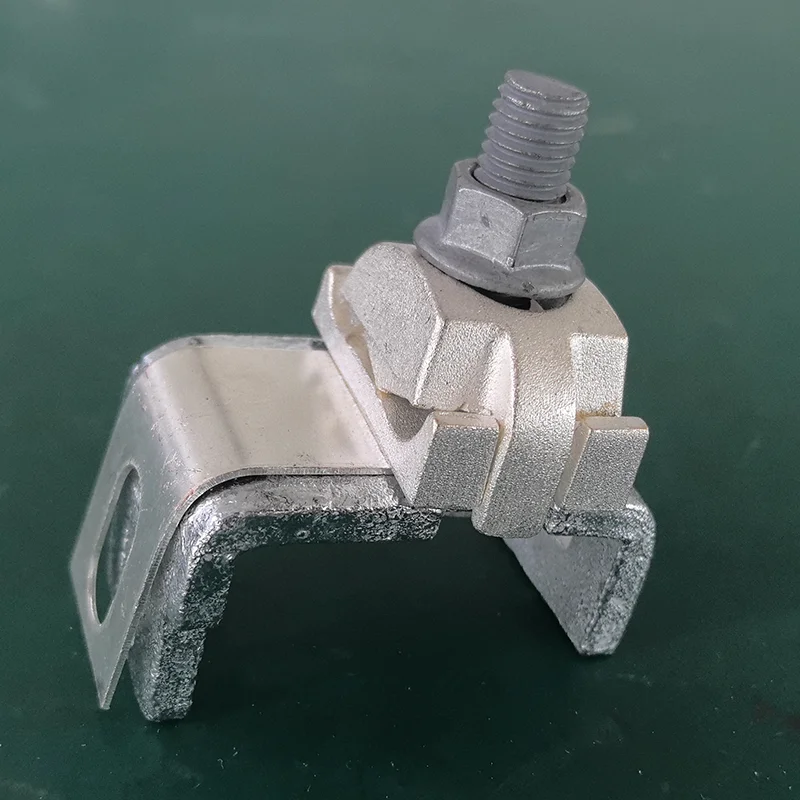
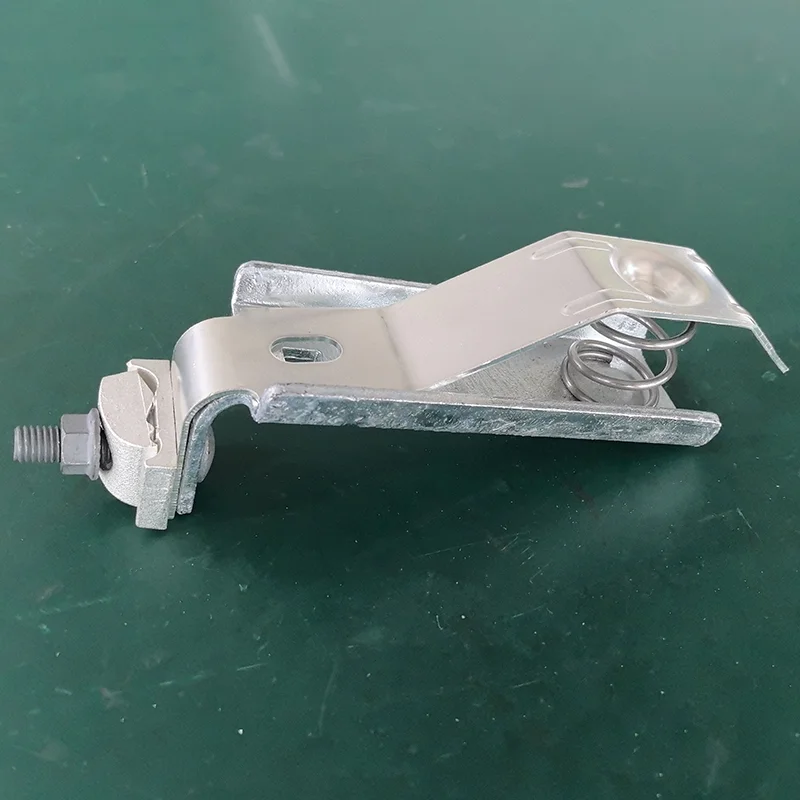
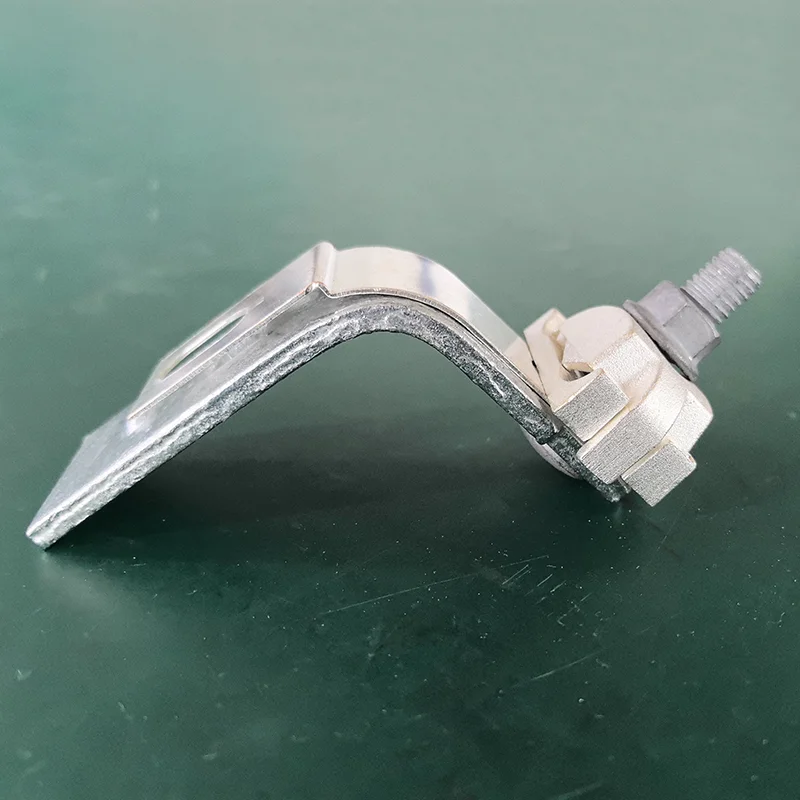
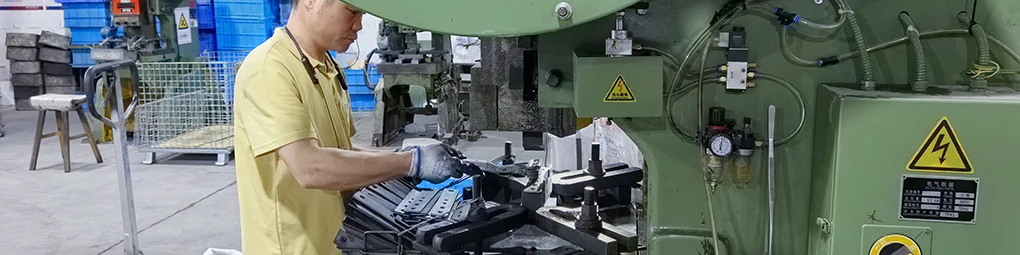
As a world-leading supplier of drop-out fuses, we feature full-chain production capabilities and comprehensive quality control. Within our own facilities, equipped with precision laser cutting machines and punching presses, we manufacture critical metal accessories including conductive strips, steel structural parts, and stainless steel components required for premium fuse cutouts.
What Are Metal Accessories for Drop-out Fuses?
Drop-out Fuses (Fuse Cutouts), as time-tested components for overload and short-circuit protection in distribution networks, rely heavily on these seemingly minor metal accessories (conductive strips, structural iron parts, stainless steel elements, etc.) to achieve high reliability. Constantly exposed to harsh outdoor environments—including intense sunlight, heavy rain, high voltage, and large currents—these components must meet rigorous material and manufacturing standards.
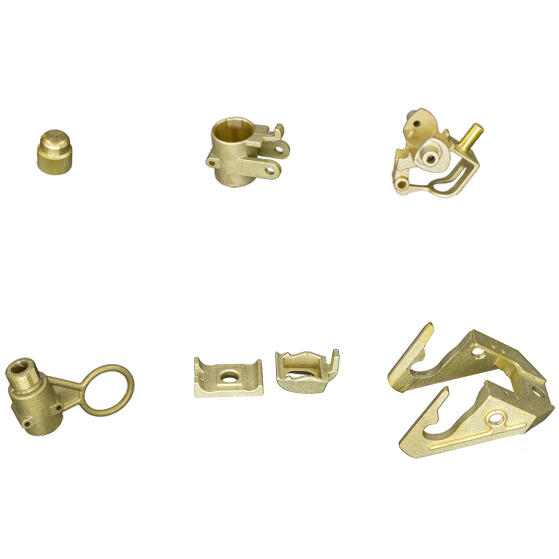
1. Conductive Strips (Typically Copper or Brass)
Conductive strips are the core elements of the drop-out fuse's electrical circuit, primarily used to connect the upper and lower stationary and movable contacts to ensure a smooth and stable current flow.
What It Is: Principally high-purity pure copper (electrolytic copper), brass, or high-conductivity copper alloys.
Manufacturing Process:
Stamping & Forging: Precision stamping presses shape the copper strips or plates into exact dimensions;
Surface Treatment (Critical): The surface must be silver-plated or tin-plated. Heavy silver plating dramatically reduces contact resistance and prevents copper oxidation, which can cause overheating in the field;
Why This Material is Used:
Copper offers electrical conductivity second only to silver but at a fraction of the cost, making it the most cost-effective conductive medium;
Its excellent ductility and elasticity ensure optimal contact pressure remains stable over long-term mechanical "closing-dropping" cycles;
While we highly recommend pure copper as the base conductive material, we also offer brass options to accommodate price-sensitive markets or developing regions where cost efficiency is a priority;
Pros & Cons:
Pros: Ultra-high conductivity, minimal heat generation, and superior resistance to electrical arcing;
Cons: Copper oxidizes easily in open air, forming high-resistance copper oxide. Therefore, it is highly dependent on industry-standard, high-quality surface silver plating;
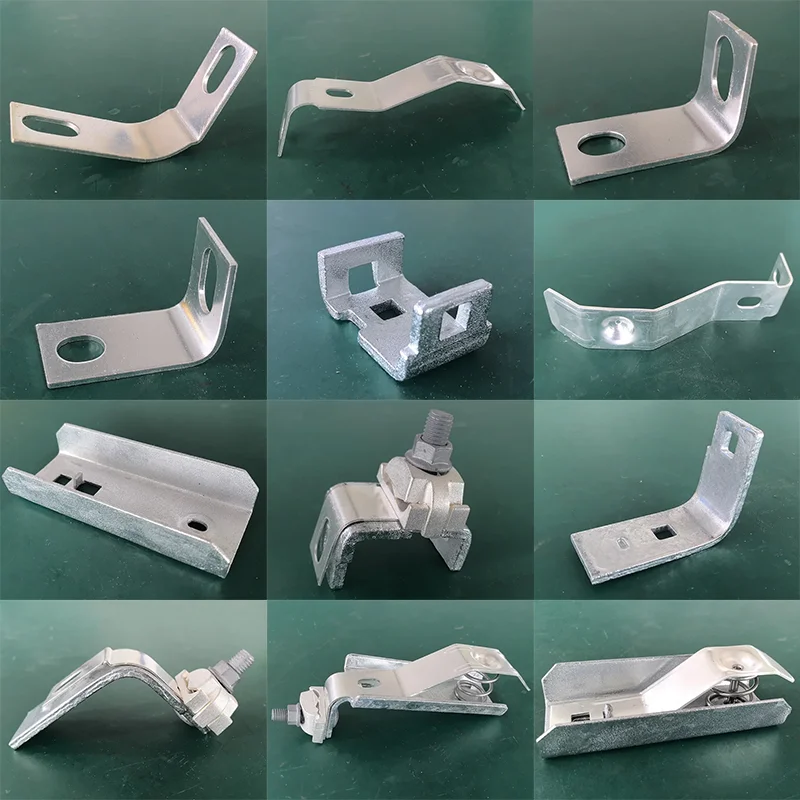
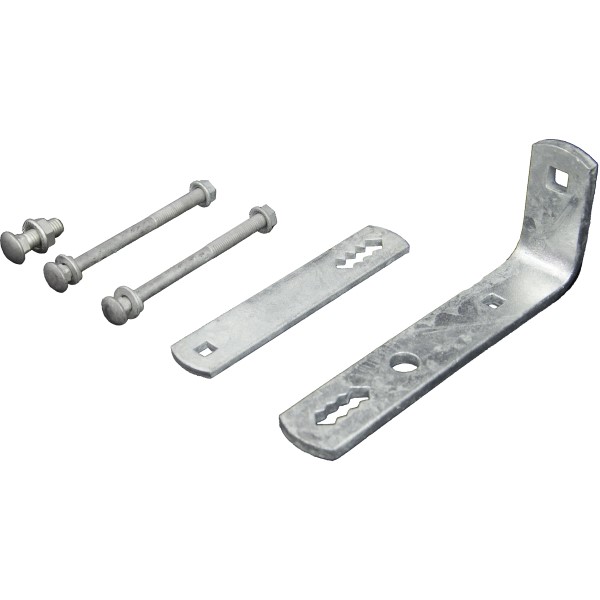
2. Structural Iron Parts (Support & Fixing Hardware)
Iron components are utilized for the mounting, securing, and supporting of porcelain or composite insulators, such as mounting plates, pole clamps (bands), and lower support frames.
What It Is: Typically high-quality carbon structural steel (such as Q235 steel);
Manufacturing Process:
Hot Rolling & Welding: Fabricated through sheet shearing (typically via laser cutting or punching), bending, and structural welding;
Anti-Corrosion Treatment (Core Process): Hot-dip galvanization (HDG). Components must be submerged in molten zinc at hundreds of degrees Celsius to form a thick zinc-iron alloy protective layer;
Why This Material is Used:
When a fuse link blows, or during load-break/load-making operations, the fuse tube drop or fault current interruption generates immense mechanical impact and vibration. Structural hardware requires exceptional mechanical strength and rigidity to withstand these loads;
Steel offers exceptional cost efficiency and utilizes mature manufacturing technologies;
Pros & Cons:
Pros: High mechanical strength, excellent deformation resistance, and highly cost-effective;
Cons: Untreated iron is highly susceptible to rust. If the hot-dip galvanizing process is substandard (resulting in a thin layer or pinholes), it will corrode within a few years outdoors, leading to structural failure or mechanical jamming;
3. Stainless Steel Parts (Spring Elements, Fasteners & Driving Components)
Principally applied to micro-critical parts demanding high elasticity, wear resistance, and superior corrosion protection—such as contact pressure springs, locking leaf springs, auxiliary pull rings, and cotter pins.
What It Is: Commonly austenitic stainless steel (such as 304 stainless steel);
Manufacturing Process: Precision stamping, laser cutting, wire EDM, and specialized elastic heat treatment processes;
Why This Material is Used:
Zero Rusting (High Corrosion Resistance): If contact springs rust, it leads to poor electrical contact and destructive arcing. Stainless steel completely mitigates this risk.
Excellent Elastic Fatigue Resistance: Contact springs must maintain stable pressure over decades. Stainless steel (especially spring-grade variants) resists stress relaxation (getting loose) under prolonged compression.
Pros & Cons:
Pros: Superb corrosion resistance, high fatigue strength, and completely maintenance-free.
Cons: High raw material costs. Additionally, since stainless steel has low electrical conductivity, it cannot be used as a primary current-carrying path; it is strictly used as an auxiliary pressure spring or mechanical mechanism.
Beyond basic material attributes, our engineering team focuses heavily on three critical hard-core details in actual manufacturing and grid operation:
1. Galvanic Corrosion between Dissimilar Metals (Industry Pain Point)
Outdoors, when copper (conductive strip), steel (galvanized hardware), and stainless steel are locked together in the presence of rainwater (acting as an electrolyte), a galvanic cell effect occurs, accelerating electrochemical corrosion;
Our Solution: Our advanced assembly process applies premium conductive grease (electrical joint compound) between all dissimilar metal contact faces to seal out air, moisture, and condensation;
2. Thread Galling (Locking) of Stainless Steel
During the assembly of stainless steel bolts and nuts, the relative softness of the material combined with rapid frictional heating often leads to thread galling (seizing). Therefore, high-quality fuse cutouts are treated with anti-seize compounds during assembly or utilize specialized surface-hardened fasteners.
3. Substandard Silver Plating Concerns
The thickness of the silver layer on conductive strips dictates the operating lifespan of the fuse cutout. Low-end manufacturers often reduce costs with ultra-thin silver layers (or substitute silver with tin). Within 1–2 years of field operation, this thin layer wears away due to electrical arcs or mechanical friction, exposing the base copper. The exposed copper then oxidizes, causing abnormal overheating, burnt components, or nuisance drop-outs.
| Component Name | Core Material | Key Surface Process | Primary Function |
| Conductive Strip | Pure Copper / Copper Alloy | Thick Surface Silver Plating | Carries current; minimizes contact resistance |
| Iron Structural Parts | Q235 Carbon Steel | Hot-Dip Galvanization (HDG) | Provides overall structural support; absorbs mechanical closing impacts |
| Stainless Steel Elements | 304 / 316 Stainless Steel | Elasticity & Hardening Heat Treatment | Delivers durable contact pressure; prevents mechanical seizing |
How Our Metal Accessories for Drop-out Fuses Are Manufactured
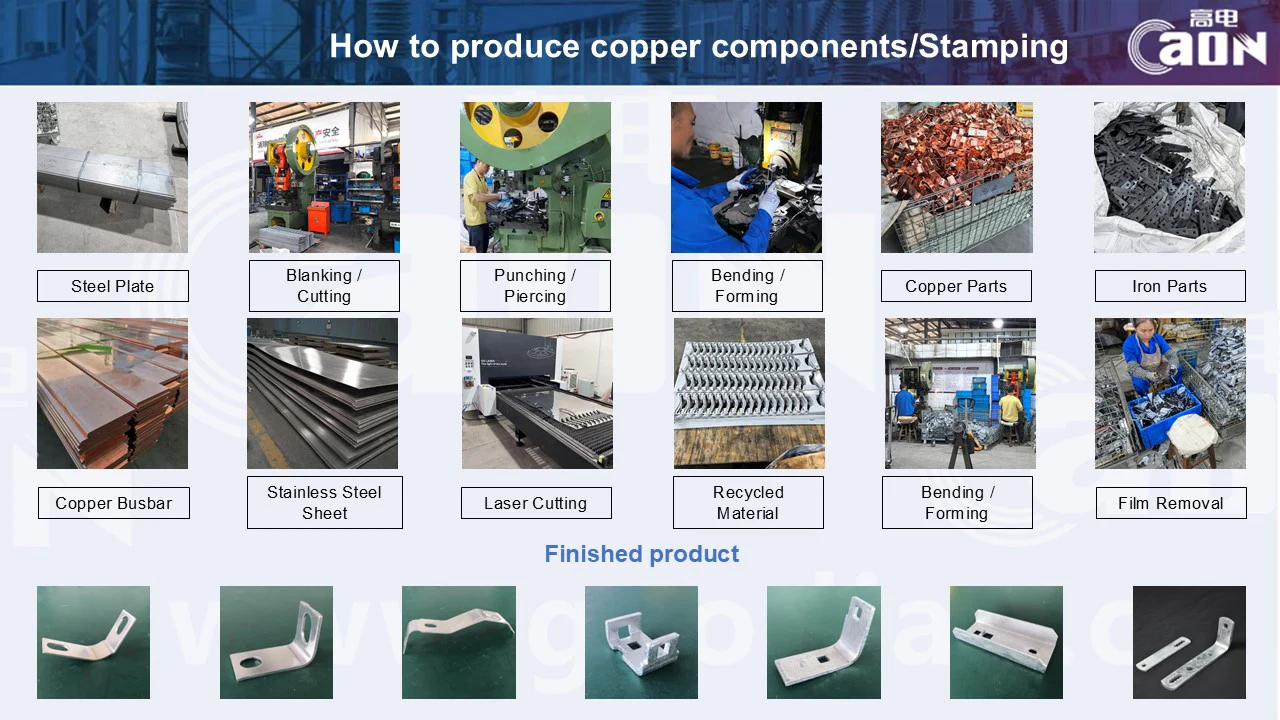
Our Core Competencies
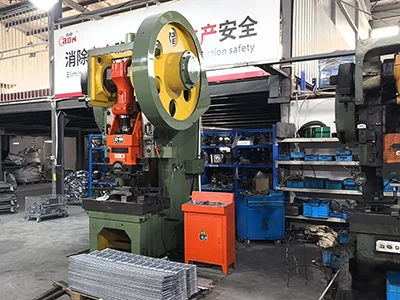
Why are we a trusted global leader in drop-out fuse manufacturing? Because we don't just assemble finished products—we manufacture our own copper components, precision stampings, and insulators in-house.
Click the link below to tour our 360° VR digital workshop and experience our manufacturing power and production floors firsthand.
| Stamping Workshop |
|
Primary Application Fields
Protection of overhead distribution transformers;
Sectionalizing and branch protection for distribution lines and main feeders;
Incomer protection for cable branch boxes and end-user substations;
Overcurrent and isolation protection for outdoor high-voltage capacitor groups.