

Copper components Die casting
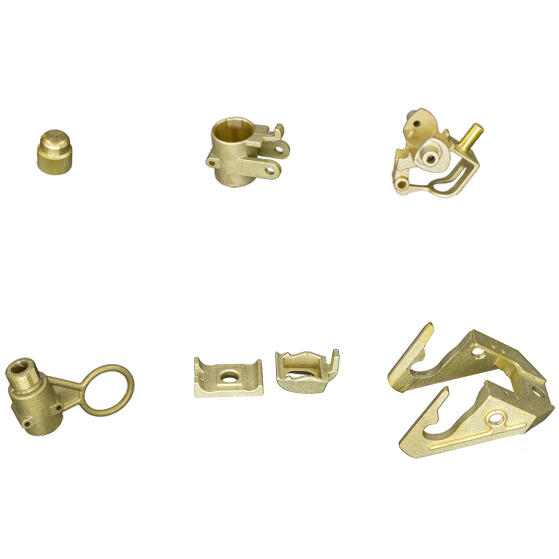
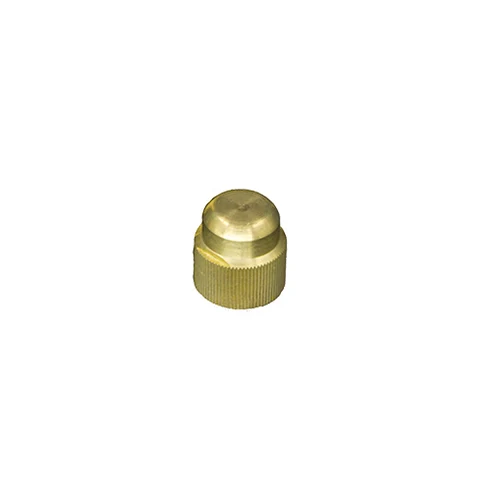
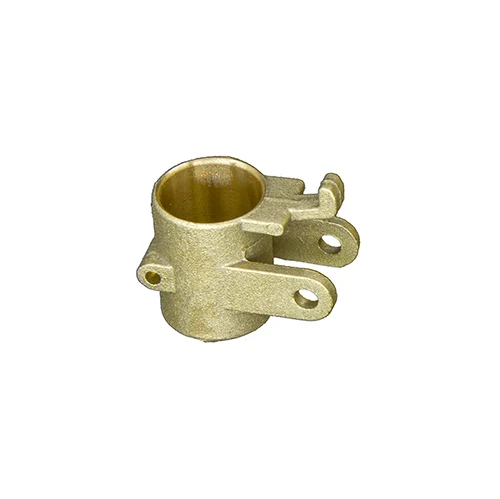
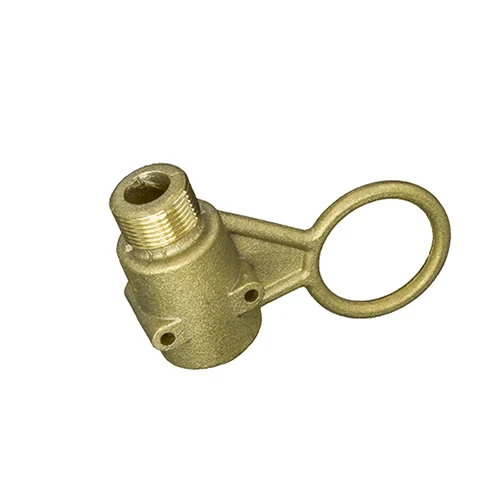
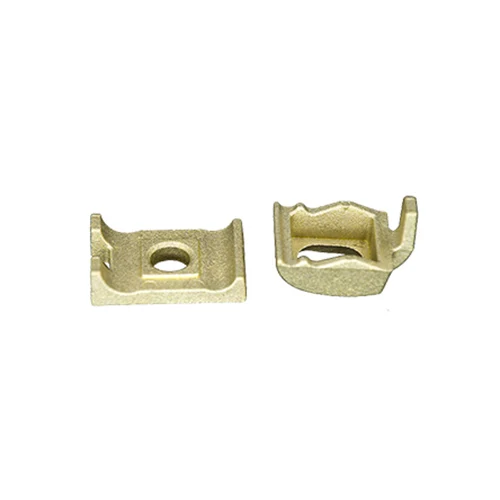
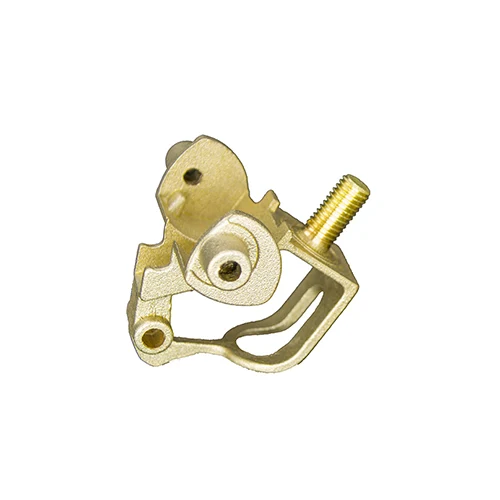
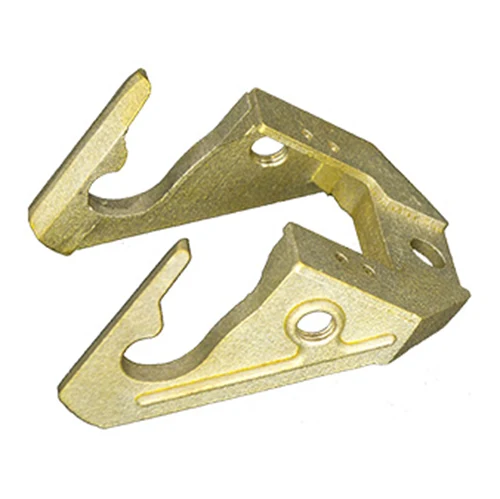
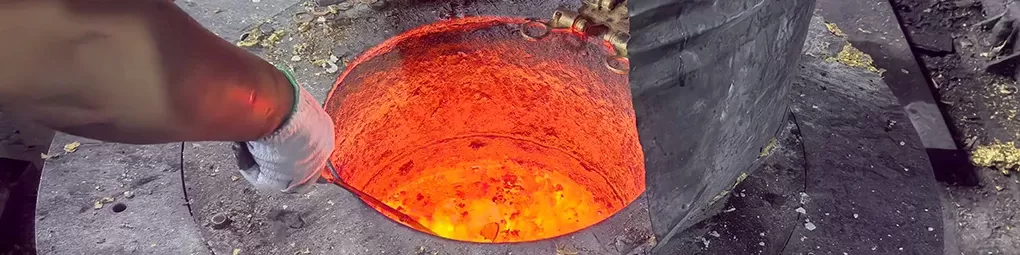
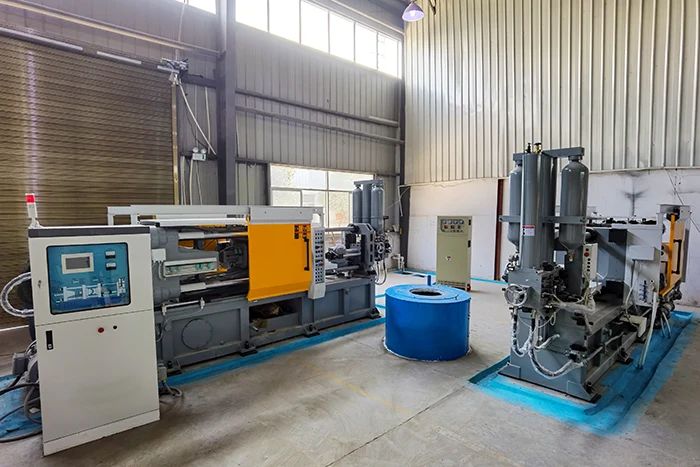
As a world-leading supplier of drop-out fuses, we possess full industry chain production and quality controllability. We produce the copper parts required for drop-out fuses using high-pressure die casting machines in our own factory. Currently, we mainly produce two major categories of copper parts: 90 copper (bronze) and 60 copper (brass).
What Are Copper Parts for Drop-out Fuses?
Copper parts for drop-out fuses, also referred to as high-pressure die cast copper parts based on their production process, represent a high-performance and highly challenging process product in the manufacturing industry. Compared to common aluminum alloy or magnesium alloy die casting, copper die casting demands far more rigorous requirements for equipment and processing.
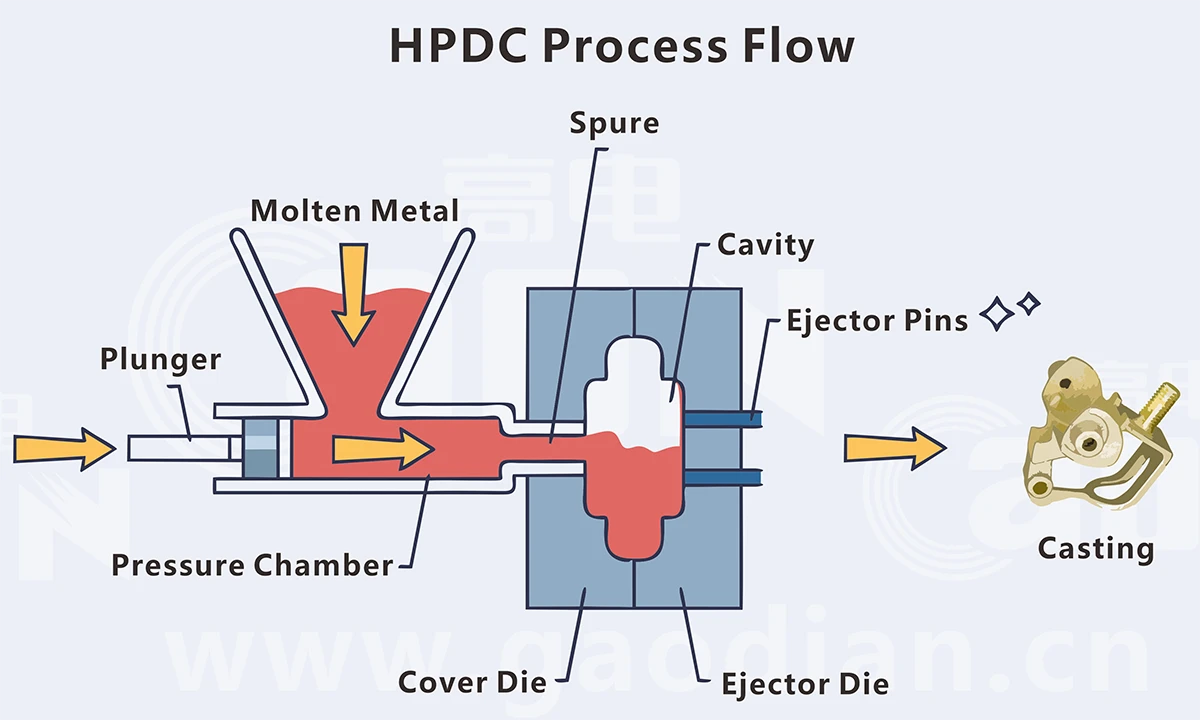
1. High-Pressure Die Casting Process Flow
High-pressure die casting is a process in which molten copper alloy liquid (typically at temperatures above 1000°C) is injected into precision metal mold cavities at high pressure (from several megapascals to over a hundred megapascals) within an extremely short time, allowing it to rapidly solidify and form under pressure.
2. Main Material: Die-Cast Copper Alloy
Not all copper is suitable for die casting or ideal for outdoor high-voltage drop-out fuses. To balance fluidity, mechanical properties, and electrical performance, the power industry typically uses: 90 copper and 60 copper.
| Material | 90 Copper (Bronze) | Material | 60 Copper (Brass) |
| Copper (Cu) | 90% | Copper (Cu) | 60% |
| Aluminum (Al) | 8% | Zinc (Zn) | 40% |
| Silicon (Si) | 2% |
3. Main Advantages of Copper Die Casting
Excellent Electrical and Thermal Conductivity: This is the core competitiveness of copper castings, far surpassing aluminum alloys.
Extremely High Mechanical Properties: The strength and hardness of copper castings are generally higher than those of equivalent aluminum die castings, and they offer excellent wear resistance.
High Precision and Complex Shapes: The die casting process can form parts with highly complex structures in a single step, reducing subsequent mechanical machining workloads.
Good Corrosion Resistance: Especially in freshwater and seawater, it performs more stably than aluminum alloys.
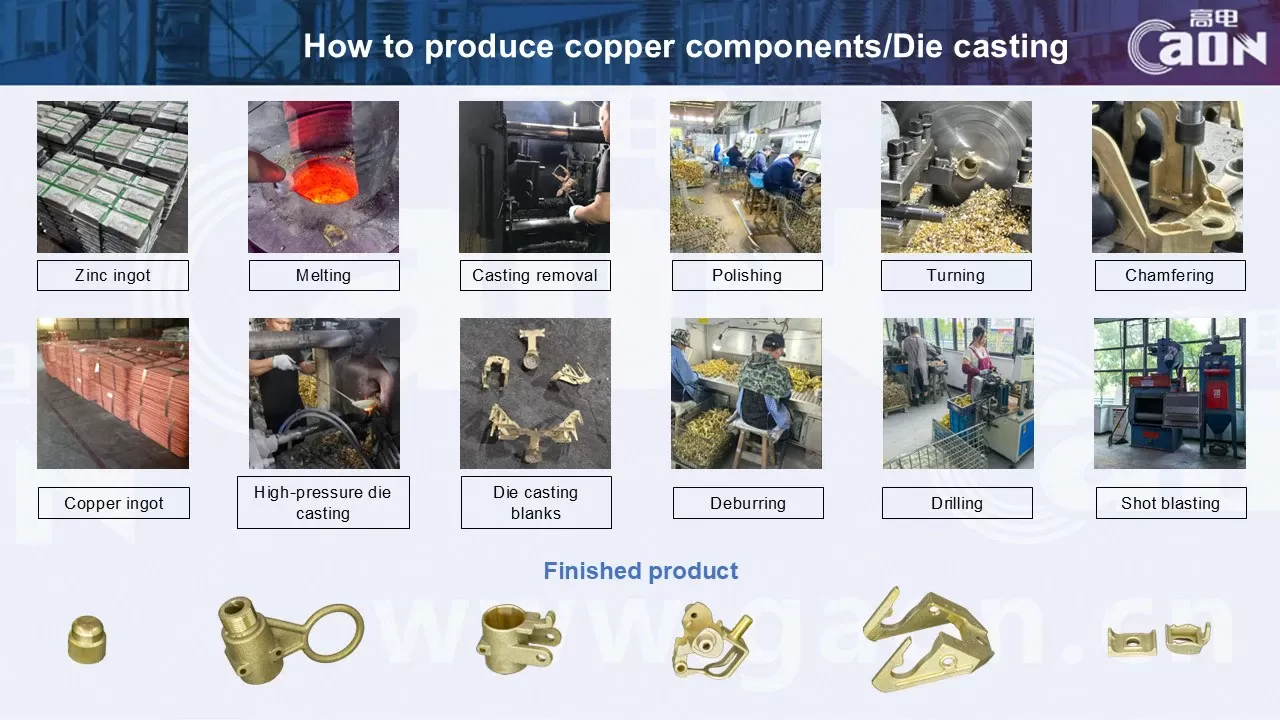
How Copper Parts Are Produced
Core Competitiveness
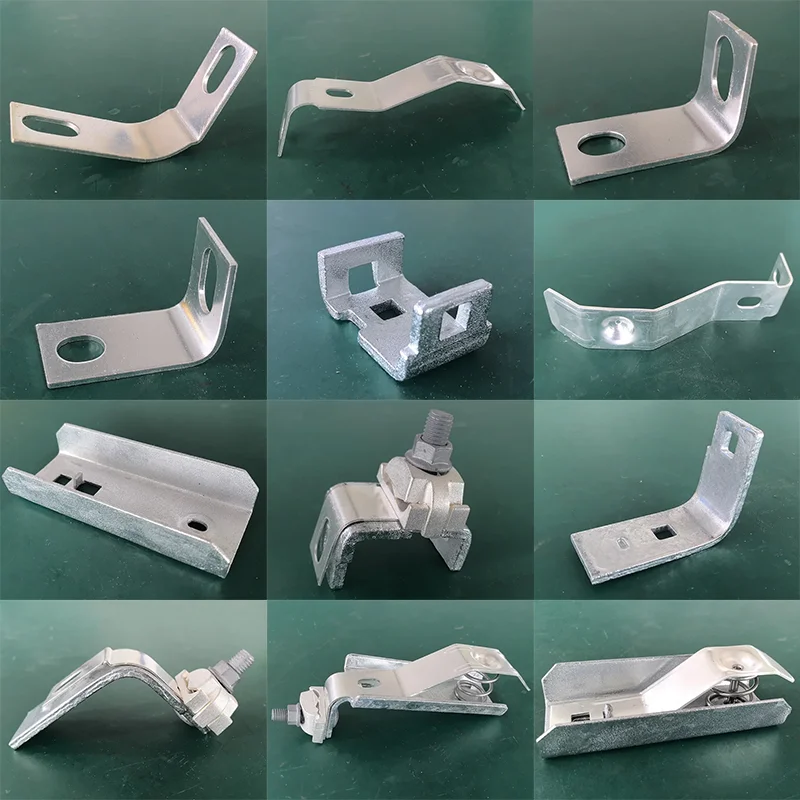
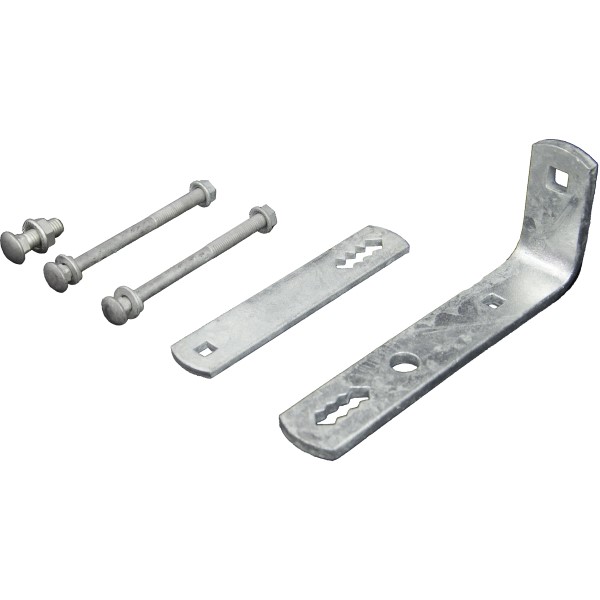
Why can we become a world-leading supplier of drop-out fuses? Because we don't just manufacture and assemble finished drop-out fuses; we simultaneously produce our own copper parts, stamping parts, and insulators.
Click the links below to experience our manufacturing capability and production site up close through our 360° panoramic digital workshops.
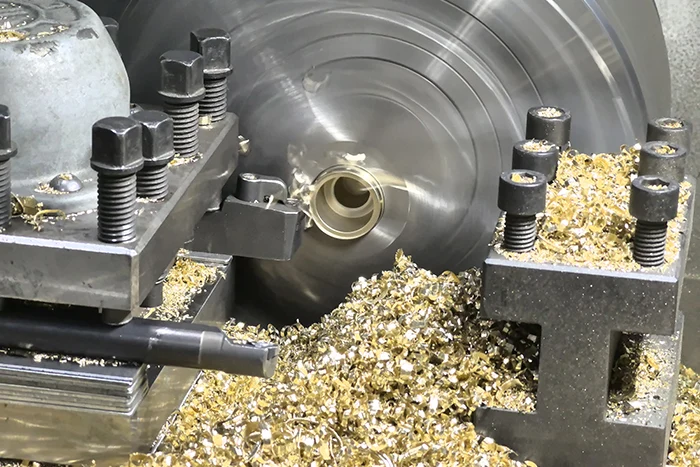
| High-Pressure Die Casting Workshop | Machining Workshop |
 |  |
Main Application Fields
Power Electronics: Contacts, terminals, and inductor components;
Sanitary Hardware: High-end faucets and valve bodies;
Mechanical Industry: Gears, worm gears, and bearing cages;
Telecommunications: Filters, connectors, etc.